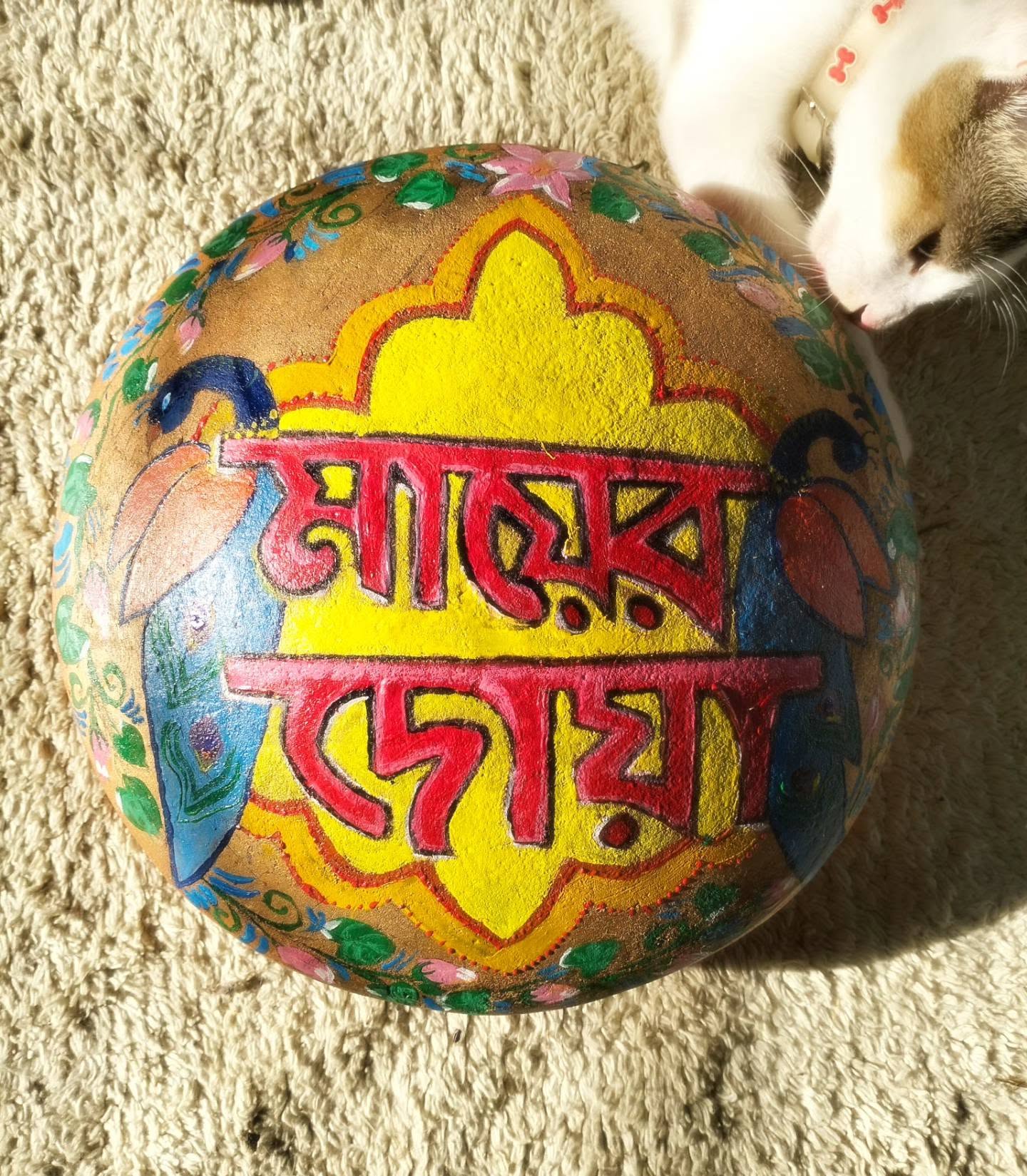
Turning Bengal silt into financial freedom.
Most student ventures begin with drop-shipping or digital gigs. Terracotta Tales was rooted in physical earth, negotiating directly with master craftspersons, mastering supply chain fragility, and creating a modern appetite for sustainable earthenware.
The Catalyst & Vision
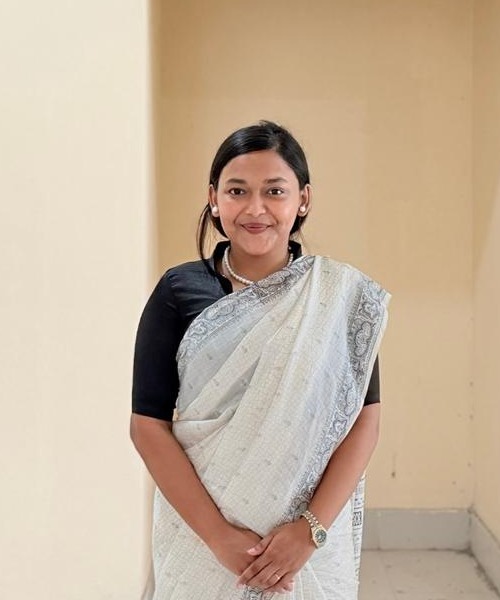
Moving from Viqarunnisa Noon in Dhaka to Shahjalal University of Science & Technology (SUST) in Sylhet, Shifa faced the sudden economic reality of funding university life independently. Rather than taking loans or relying on family, she noticed the timeless elegance of local artisan pottery and identified an untapped urban market for aesthetic, non-toxic, handmade clayware.
Artisan Partnerships
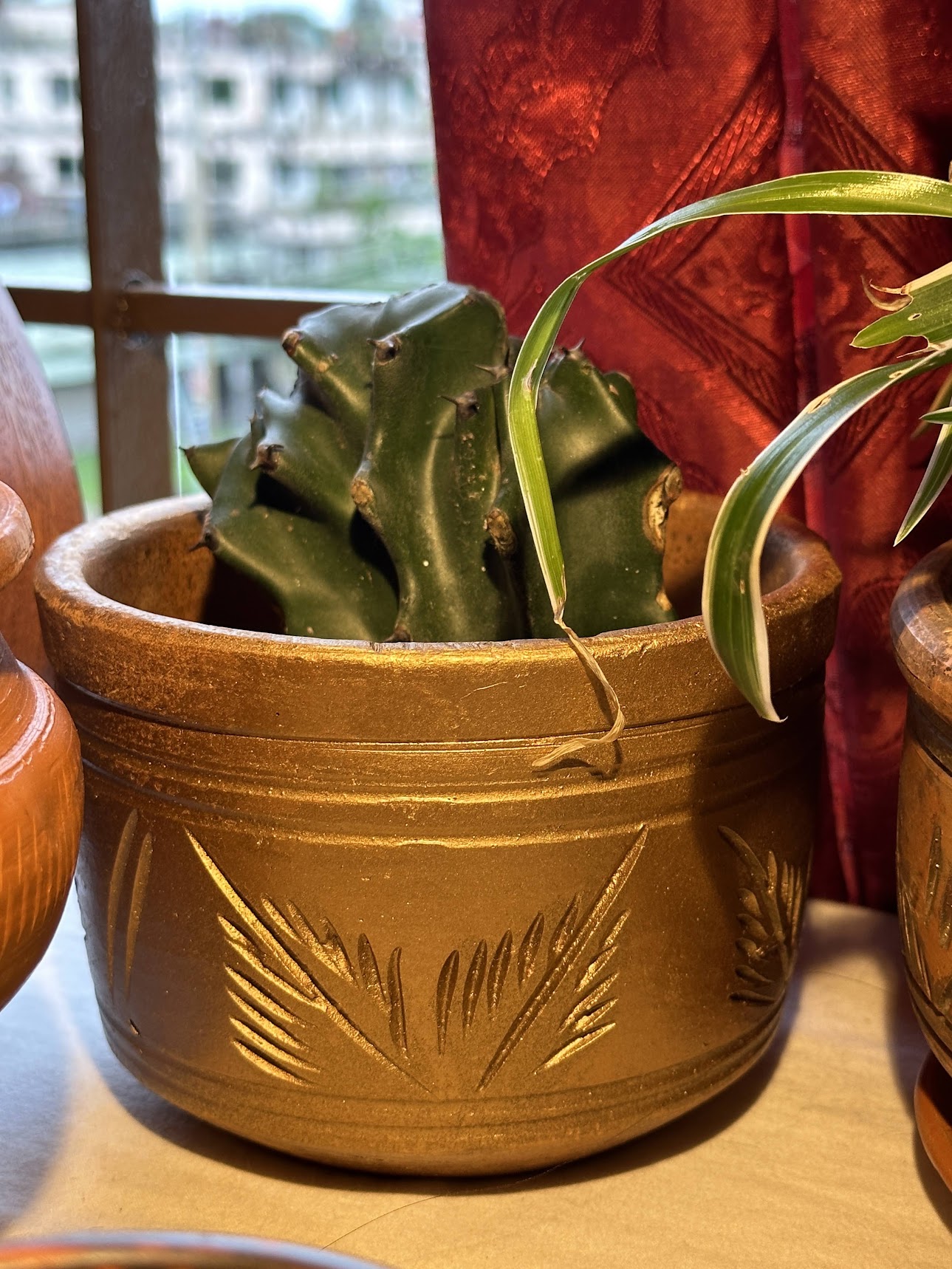
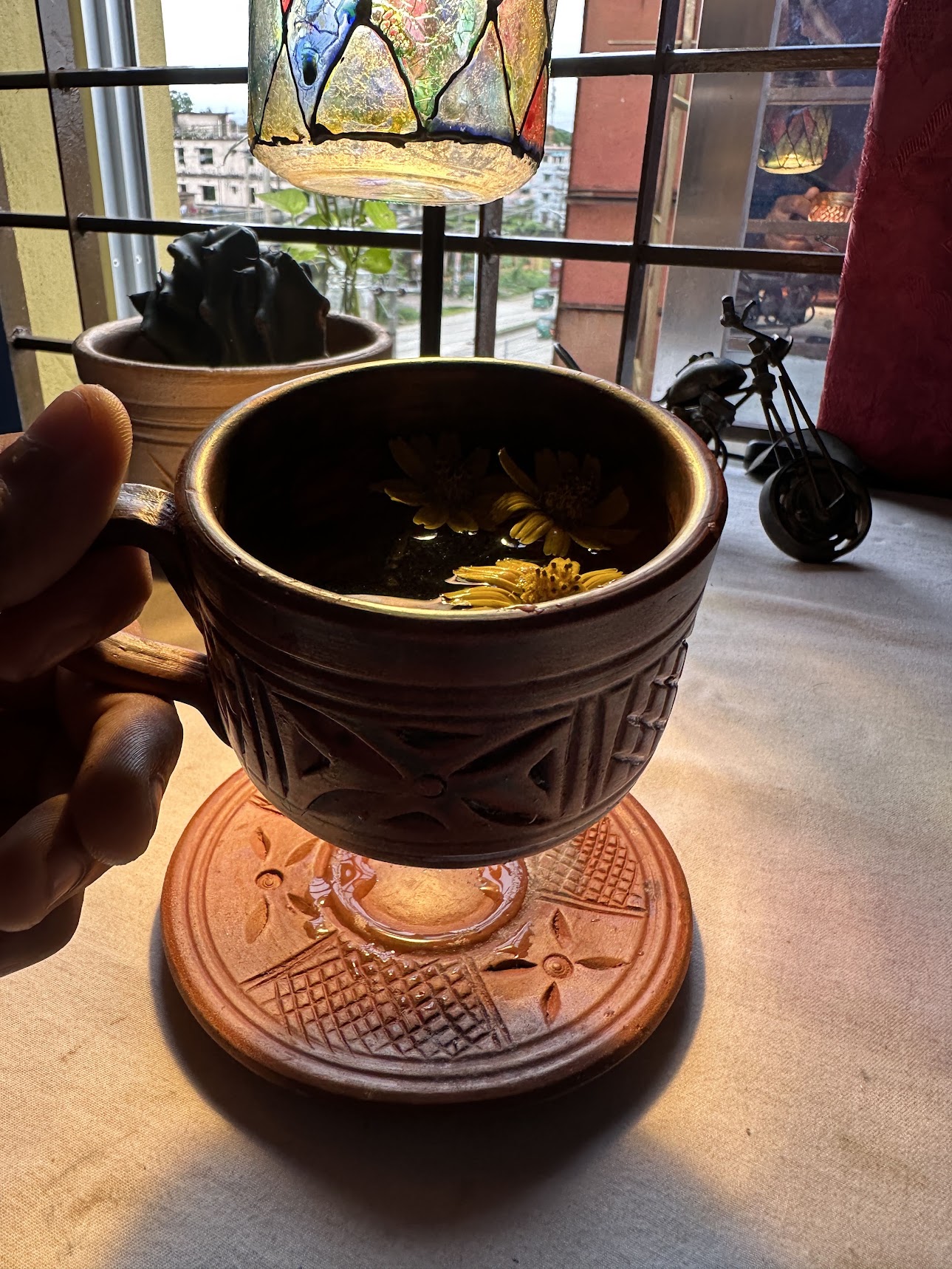
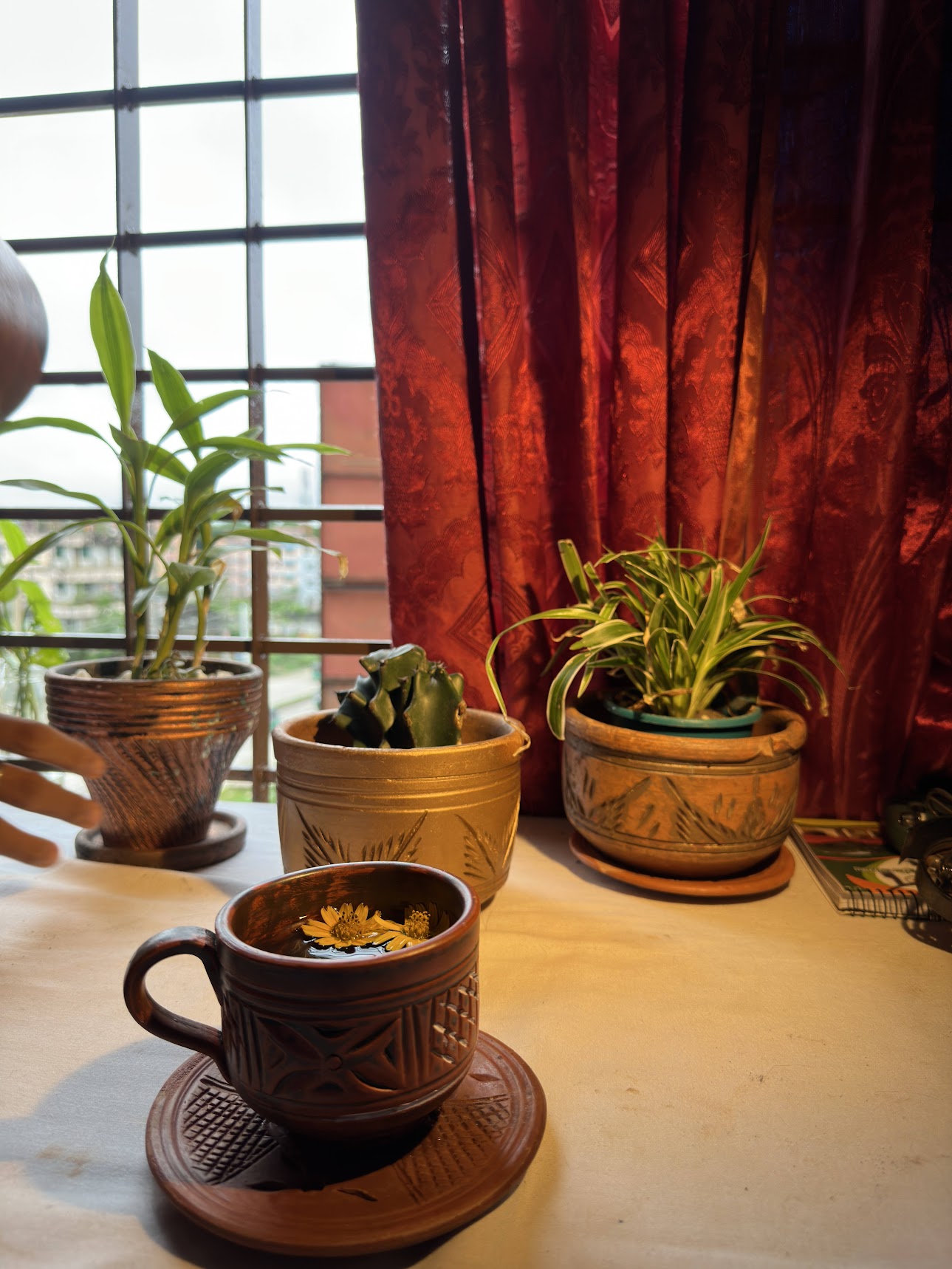
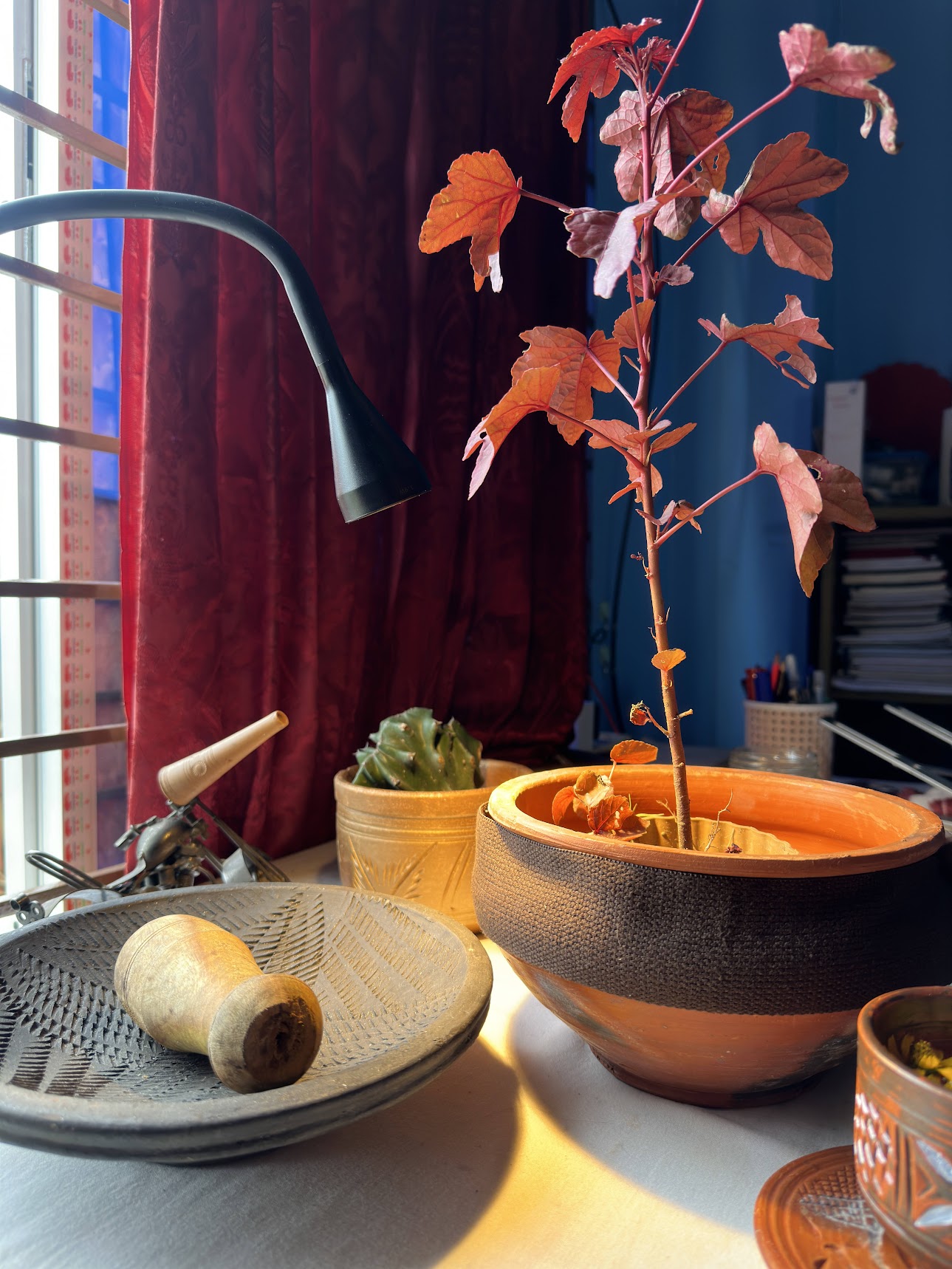
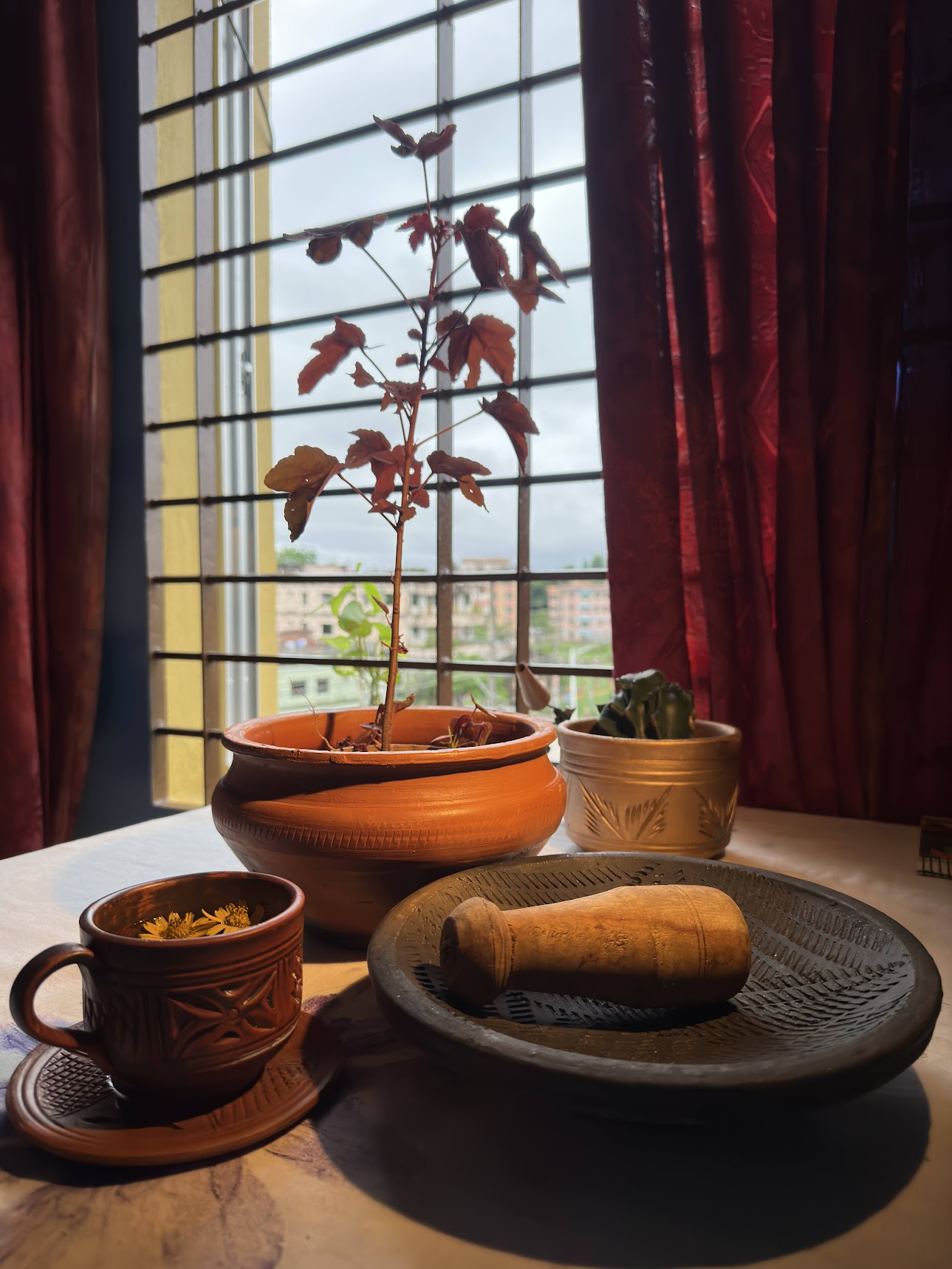
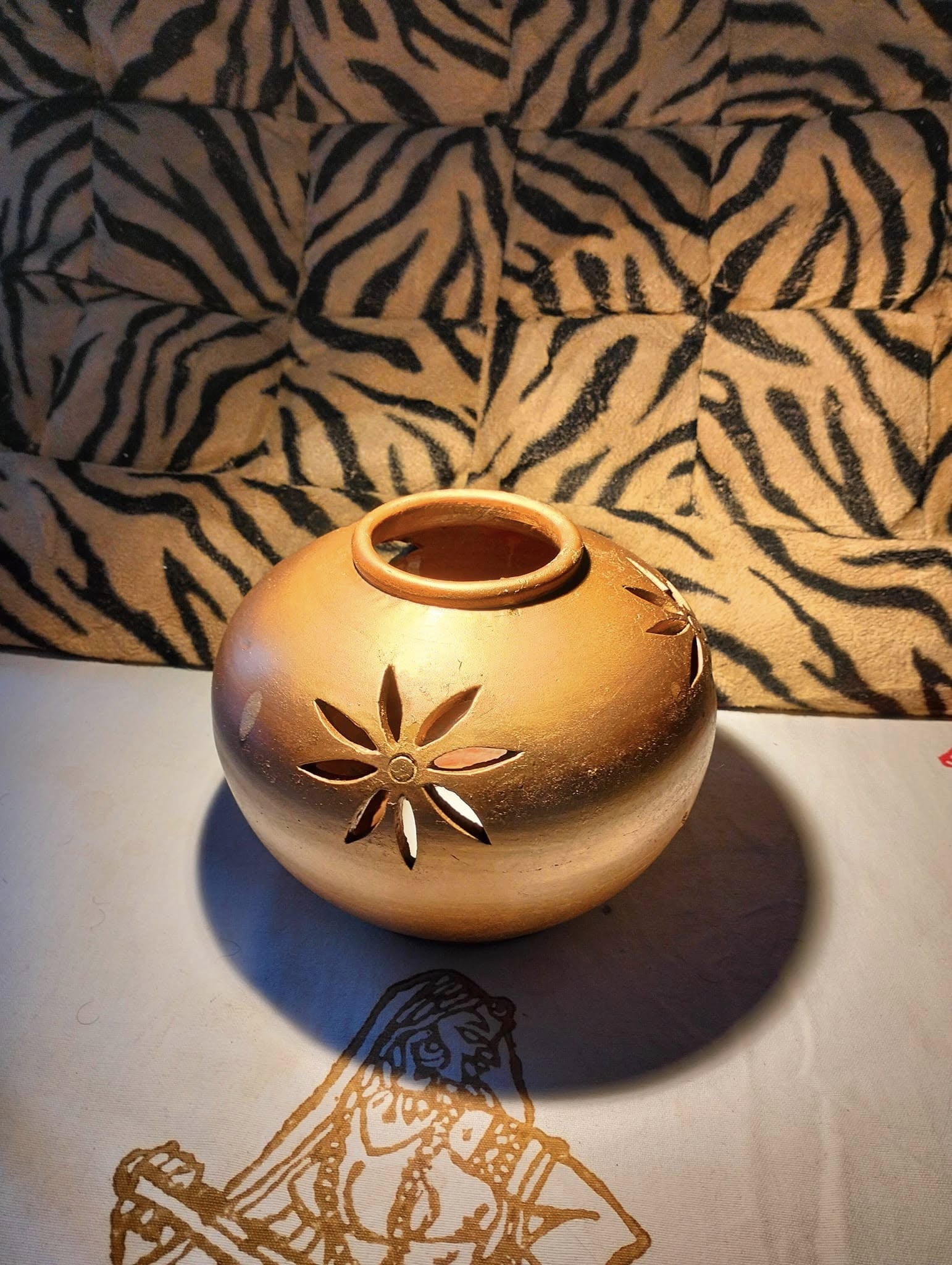
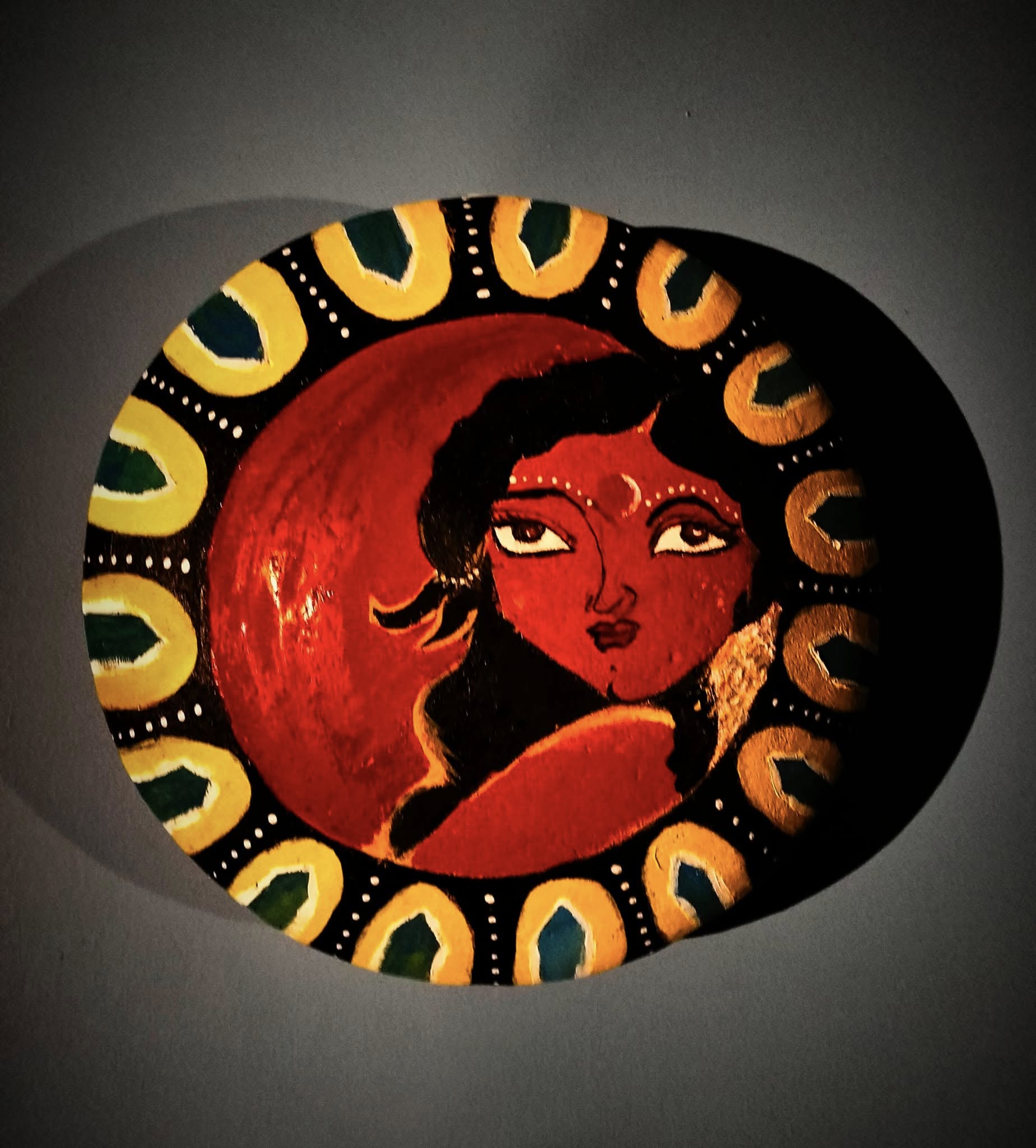
She traveled directly to potter communities (pal para / mrittika shilpi), skipping predatory middlemen. Shifa worked alongside traditional potters to co-design modern silhouettes: ergonomic tea mugs with geometric relief carvings, botanical planter pots with internal moisture balance, and glazed culinary mortar sets.
The Fragility Equation
Shipping fired clay across Bangladesh courier networks is an operational nightmare. Through systematic drop-testing, Shifa engineered an all-natural packaging system using compressed rice straw, corrugated pulp, and biodegradable bindings. The result was a remarkable under-1% damage rate across hundreds of shipments.
Organic Digital Storytelling
Equipped with a phone camera, natural window light, and an eye for warmth, Shifa produced calm, honest product videos. By demonstrating morning tea rituals and succulent potting, she generated authentic customer interest without paid ad spend, building a genuine community of repeat buyers.
Notion-Powered Operations
Every single transaction, vendor lead time, profit margin, and customer address was logged in a live, custom-built Notion database. This operational rigor gave angel backers and collaborators full transparency into cash flows and unit-level margins.
Self-Funded Graduation
Terracotta Tales grossed over 2.5 Lakhs BDT in its first 12 months. Every penny earned paid for semester tuition, books, rent, and daily living. More importantly, it gave Shifa first-hand operational mastery that no textbook can teach.
“Raising money is one problem. Turning that money into a business that actually survives is a bigger one — I’ve solved both for myself, and I want to help other entrepreneurs solve the second.”